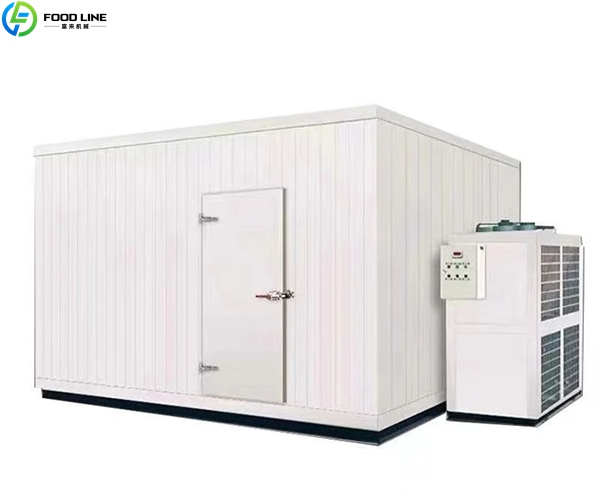
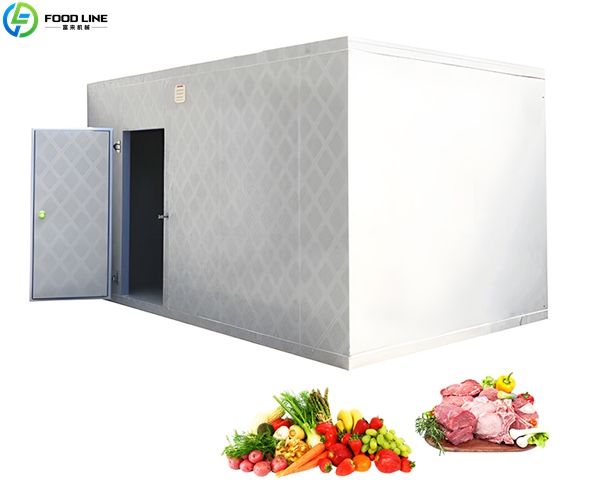
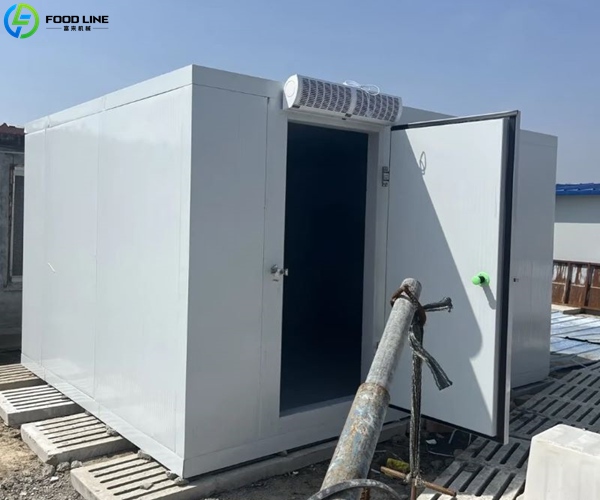
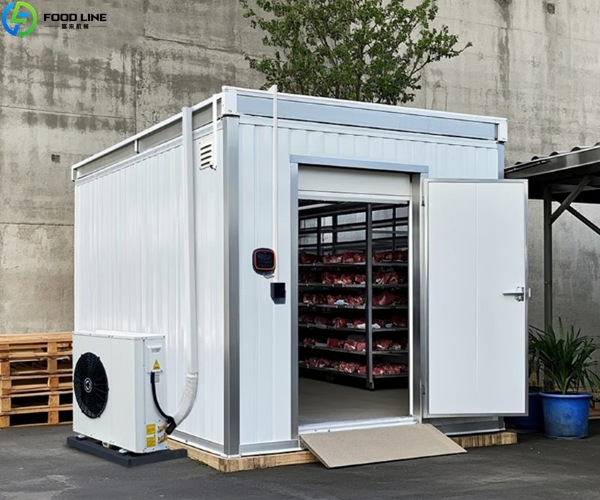
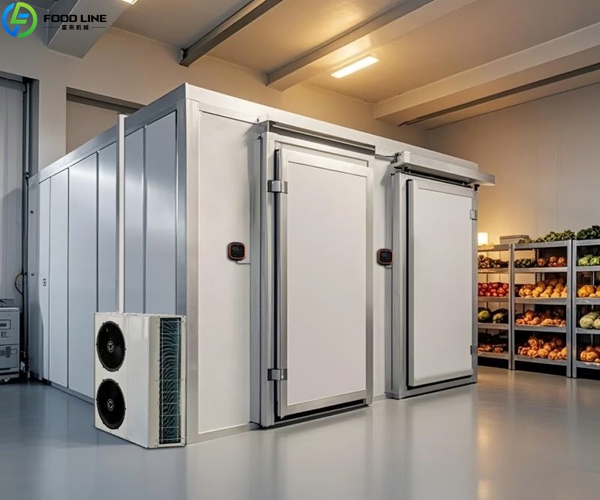
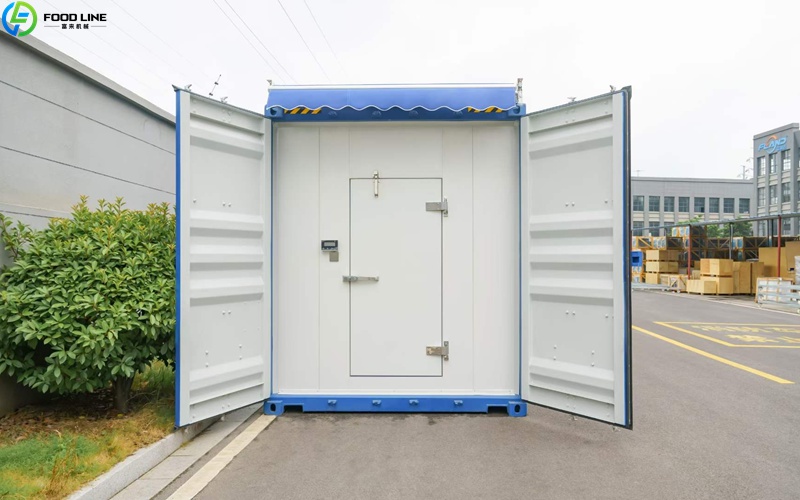
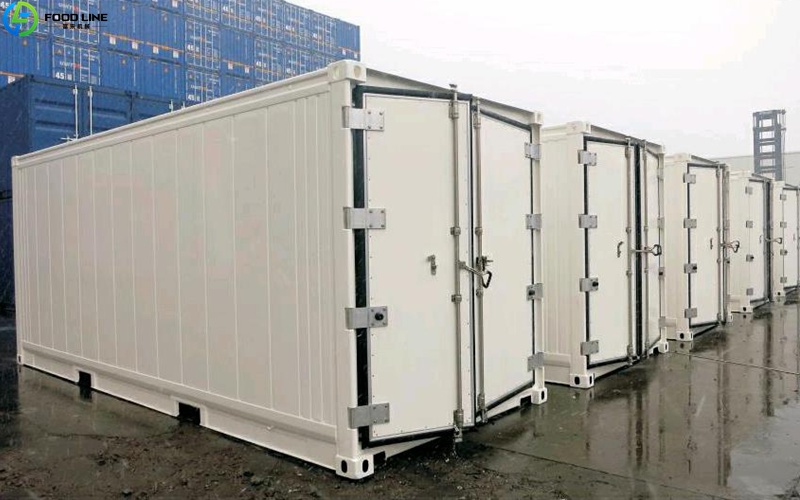
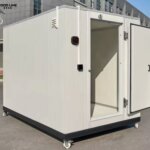
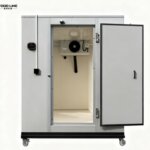
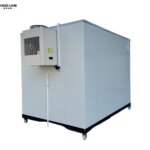
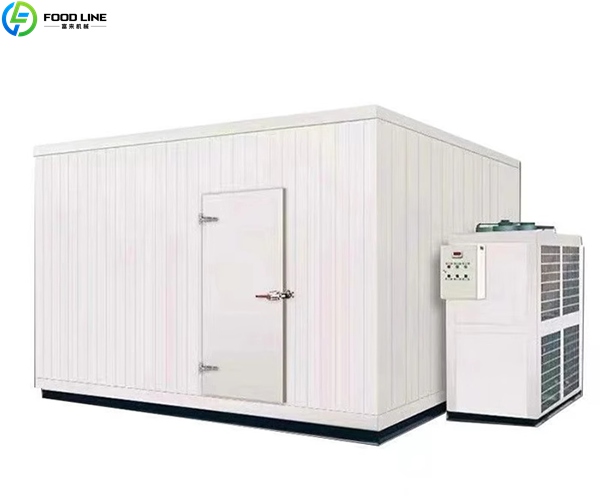
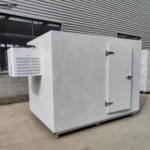
Cold storage is a specialized storage facility that utilizes artificial refrigeration technology to provide a stable low-temperature environment for food, pharmaceuticals, and chemical products. Cold storage has become an essential piece of equipment in major markets. Request a quote! WhatsApp/Phone: + 86 13838385752.
Refrigeration refers to the process of artificially lowering the temperature of an object or fluid below ambient temperature. Refrigeration can be achieved through natural cooling or artificial refrigeration. However, in industry, artificial refrigeration is the mainstream solution for cold storage systems. Cold storage facilities are generally classified into cooling storage, refrigerated storage, and frozen storage based on their usage. Temperature ranges can cover fresh storage above 0°C to deep freezing at around -30°C.
Parameters of Commercial Cold Storage
Cold Room Name
Temperature (°C)
Relative Humidity (%)
Suitable Food Range
Cooling Room
0 ~ 4
—
Meat, eggs, etc.
Freezing Room
-18 ~ -23
—
Meat, poultry, rabbit, frozen eggs, vegetables, etc.
Freezing Room
-23 ~ -30
—
Fish, shrimp, etc.
Chilled Storage Room
0
85 ~ 90
Chilled meat and poultry
-2 ~ 0
80 ~ 85
Fresh eggs
-1 ~ +1
90 ~ 95
Fresh fish, Chinese cabbage, garlic stems, onions, celery, etc.
0 ~ +2
85 ~ 90
Apples, pears, etc.
+2 ~ +4
85 ~ 90
Potatoes, oranges, lychee, etc.
+7 ~ +13
85 ~ 95
Bell peppers, green beans, cucumbers, tomatoes, pineapples, etc.
+11 ~ +16
85 ~ 90
Bananas, etc.
Frozen Storage Room
-15 ~ -20
85 ~ 90
Frozen meat, poultry, by-products, frozen eggs, frozen vegetables, etc.
The working principle of cold storage is based on the heat absorption and release characteristics of refrigerants under different physical states. In a refrigeration system, the refrigerant absorbs a large amount of heat during its vaporization from a liquid to a gaseous state. The cooled medium loses heat and its temperature decreases, thus achieving the purpose of refrigeration. A cold storage refrigeration system consists of four core components:
Compressor: The compressor provides continuous power for the refrigerant circulation within the system. Its main functions include: compressing the refrigerant gas to a high temperature and high pressure state; and increasing the condensing temperature, allowing the refrigerant to condense smoothly into a liquid at a higher temperature.
Evaporator: The evaporator is a heat exchanger located on the low-pressure side of the refrigeration system. In the evaporator, the refrigerant absorbs heat from the interior of the cold storage and vaporizes, thus achieving the refrigeration effect.
Expansion Device: The main function of the expansion device is to reduce the pressure of the refrigerant; regulate the refrigerant flow rate into the evaporator; and control system superheat to ensure sufficient evaporation.
Condenser: The condenser is a heat exchanger located on the high-pressure side of the system. In the condenser, the refrigerant releases heat to the cooling medium and condenses from a gaseous state into a liquid state, preparing for the next refrigeration cycle.
Top panel, wall panels, corner panels, and floor panel: Made of high-strength insulation material.
Door: Features excellent sealing performance.
Electrical control system: Enables intelligent monitoring of operational status.
Refrigeration unit: Includes core equipment such as compressor, condenser, and evaporator.
Features of Commercial Cold Room
Temperature Control Range: The cold storage covers multiple temperature zones from refrigeration to freezing. Different cold storage units meet diverse storage needs for meat, seafood, fruits, and vegetables.
Refrigeration System: Utilizes the refrigeration cycle principle; core components offer stable performance and mature technology.
Modular Design: Cold storage capacity, temperature range, and unit selection can all be customized according to project requirements. Suitable for projects of different sizes.
Insulation Performance: High-density insulation panel structure effectively reduces cold air loss and lowers energy consumption.
Safety: The equipped electrical control system enables automatic start/stop, temperature alarms, and multiple protections, improving operational safety.
Environmental Benefits: Extends product shelf life and reduces food spoilage.
Operation: Improves cold chain management and ensures consistent product quality.
Cost: Reduces energy consumption and lowers costs through efficient refrigeration and insulation design.
Scope: Applicable to a wide range of industries, meeting the needs of food processing, logistics, supermarkets, catering, and pharmaceuticals.
Return on Investment: Clear return on investment cycle. A key infrastructure component of the commercial cold chain system.
cold storage equipment
FAQ
Can the temperature of the cold storage be controlled?
Yes. The cold storage is equipped with an intelligent electronic control system, which can achieve temperature control to meet the storage requirements of different products.
How to choose different types of compressors?
It depends on the size of the cold storage, operating time, and energy efficiency. Small cold storage facilities often use scroll or reciprocating compressors, while larger projects are more suitable for screw or centrifugal compressors.
Is cold storage maintenance complicated?
Routine maintenance only requires periodic checks of the refrigeration and electrical control systems.
We use cookies to ensure that we give you the best experience on our website. If you continue to use this site we will assume that you are happy with it.